Aged Care
Personal Care Assistant in Aged Care: Role, Duties, Salary & Career Guide (2026)

Quick Answer
A personal care assistant (PCA) is a frontline aged care worker who provides direct, hands-on support to older people with everyday tasks such as bathing, dressing, meals, mobility and companionship. The minimum qualification is the Certificate III in Individual Support, and the average hourly rate for a personal care assistant in Australia is $37.47 per hour (Indeed, April 2026).
This guide is written for two audiences: families who want to understand who is caring for their loved one day to day, and people considering a career as a personal care assistant in aged care. Both will find everything they need here — duties, salary, qualifications, career pathways, and what great personal care actually looks like in practice.
What Is a Personal Care Assistant in Aged Care?
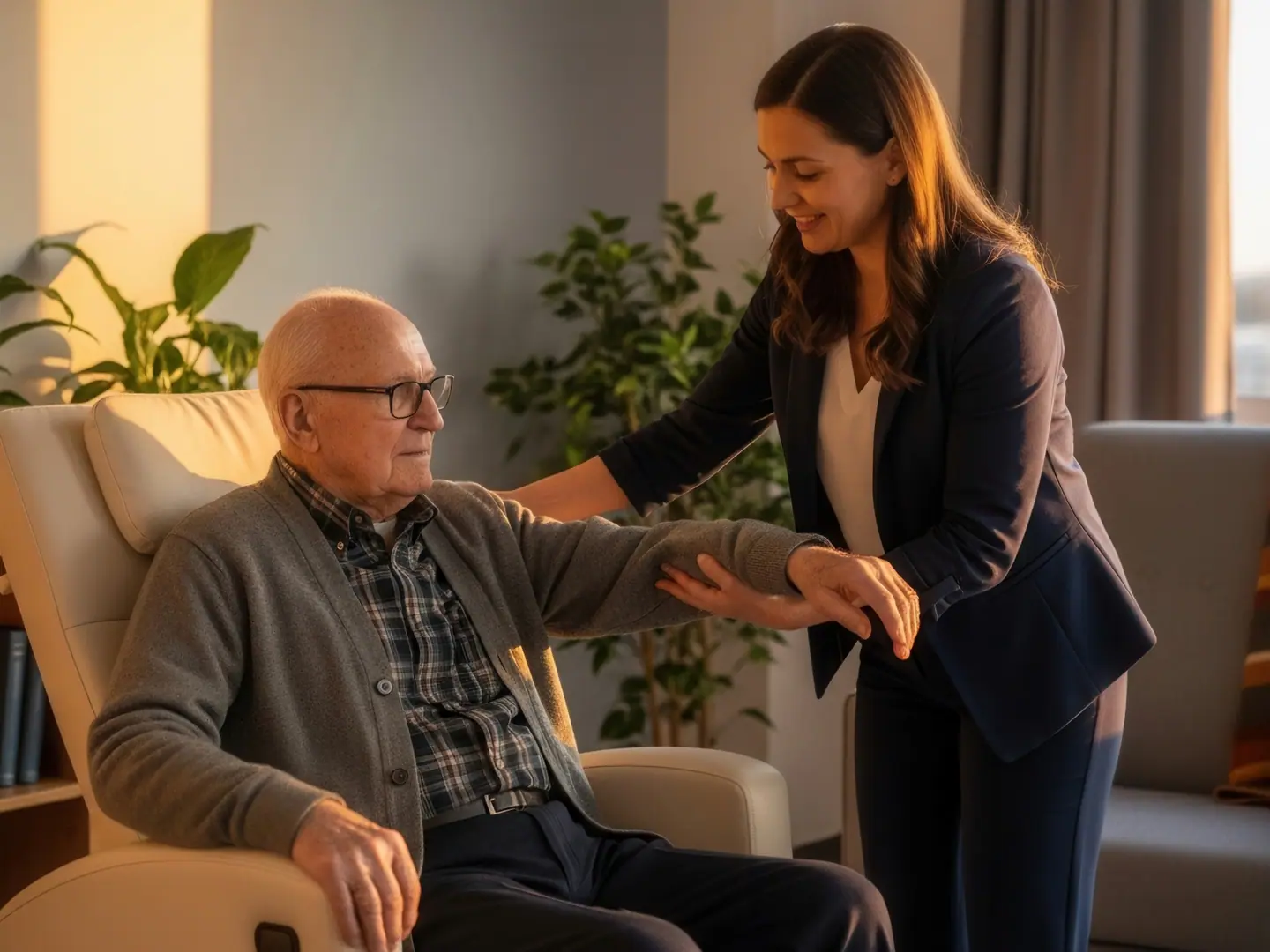
A personal care assistant — often shortened to PCA — is a frontline aged care worker who provides direct, hands-on support to older people who need help with the everyday tasks of living. Bathing, dressing, meals, mobility, companionship — these are the practical and human elements of daily life that a personal care assistant supports, always with dignity and respect at the centre of every interaction.
In Australia’s residential aged care system, the personal care assistant is typically the staff member a resident sees most often. Not the nurse, not the manager, not the allied health team — the PCA. They are the person who helps with the morning routine, checks in during the day, sits with a resident who is anxious, notices when something seems off, and ensures that the hours between clinical appointments are filled with warmth and genuine human connection.
That is why the personal care assistant role is not simply a support position. It is the backbone of quality aged care.
$37.47
Average hourly rate
Australia (April 2026)
Cert III
Minimum qualification
Individual Support
215 mins
Daily care minutes required
per residential resident
Strong
Job outlook through
2030 — growing demand
A Day in the Life of a Personal Care Assistant
The best way to understand what a personal care assistant does is to follow them through a shift. No two days are identical — residents have changing needs, unexpected moments arise, and the relational nature of care means every interaction is its own small world. But here is a typical morning in a residential aged care facility.
6:30 AM
Handover and morning brief
The incoming shift receives a handover from overnight staff — noting any residents who had a difficult night, health changes, or specific needs to monitor. The personal care assistant reviews their resident allocation for the shift.
7:00 AM
Morning personal care
The personal care assistant assists residents with showering or bathing, dressing, oral hygiene, and grooming — at the resident’s own pace and preference. Every choice about how to start the morning belongs to the resident.
8:30 AM
Breakfast and mealtime support
Assisting residents to the dining room, helping those who need support with eating or drinking, monitoring food and fluid intake, and noticing any changes in appetite that may signal a health concern.
9:30 AM
Activities, mobility support and check-ins
Supporting residents with morning activities, assisting with mobility and positioning, helping with continence care, checking in with residents who may be isolated or anxious, and documenting observations in care notes.
12:00 PM
Lunch and afternoon care
Lunchtime assistance, post-meal personal care for residents who need it, repositioning for residents at risk of pressure injuries, and a period of social engagement — conversation, a walk in the garden, or simply sitting together.
2:30 PM
End of shift handover
Completing documentation of care notes, flagging any health observations to the registered nurse, and handing over to the incoming shift. A good personal care assistant leaves the next shift better informed than the last one began.
Full Job Description: What Does a Personal Care Assistant Do?
The daily responsibilities of a personal care assistant cover a broad range of personal, social, and observational tasks. In residential aged care, a PCA typically works under the supervision of a registered or enrolled nurse. In home care settings, they often work more independently — visiting clients in their own homes and managing a scheduled list of support tasks.
Personal Care and Hygiene
- Showering and bathing assistance
- Dressing and grooming
- Oral hygiene and denture care
- Toileting and continence care
- Skin care and pressure area prevention
- Hair and nail care
Mobility and Safety
- Transfers — bed to chair, chair to toilet
- Walking support and mobility aids
- Repositioning and pressure injury prevention
- Fall prevention and safe manual handling
- Escorting to appointments and activities
Nutrition and Meals
- Meal preparation and serving
- Feeding and eating assistance
- Monitoring food and fluid intake
- Supporting texture-modified diets
- Reporting changes in appetite to nursing staff
Emotional Support and Social Care
- Companionship and conversation
- Emotional reassurance for anxious residents
- Supporting participation in activities
- Maintaining familiar routines
- Family communication support
Observation and Documentation
- Monitoring and recording vital signs (if trained)
- Documenting care notes accurately
- Reporting health changes to nurses
- Incident reporting and documentation
- Contributing to care plan reviews
Home Care Responsibilities
- Light domestic tasks (cleaning, laundry)
- Shopping and errands
- Medication reminders (not administration)
- Transport to appointments
- Social engagement in the community
Personal Care Assistant vs AIN vs Support Worker: What Is the Difference?
One of the most common sources of confusion for families and job seekers alike is the difference between a personal care assistant, an Assistant in Nursing (AIN), and an aged care support worker. In Australia, these terms are sometimes used interchangeably — but they do have distinct meanings and different levels of clinical responsibility.
| Role | Qualification | Clinical Scope | Typical Setting |
|---|---|---|---|
| Personal Care Assistant (PCA) | Cert III Individual Support | Non-clinical — personal care, daily living support | Residential aged care, home care |
| Aged Care Support Worker | Cert III Individual Support | Similar to PCA — term often used interchangeably | Residential aged care, home and community care |
| Assistant in Nursing (AIN) | Cert III + some additional clinical training | Some basic clinical tasks under nurse supervision — e.g. basic observations, wound care assistance | Primarily residential aged care and hospitals |
| Enrolled Nurse (EN) | Diploma of Nursing + AHPRA registration | Medications, wound care, clinical assessments under RN supervision | Residential aged care, hospitals, community |
| Registered Nurse (RN) | Bachelor of Nursing + AHPRA registration | Full clinical scope — medication management, care planning, complex clinical decisions | All settings — mandatory 24/7 in residential care from Nov 2025 |
For families: In most Queensland aged care facilities, you will hear both “personal care assistant” and “aged care support worker” used for the same role. The person helping your loved one with their morning routine is typically a PCA or support worker — supervised by an enrolled or registered nurse. From 1 November 2025, all residential aged care homes are legally required to have a registered nurse on-site 24 hours a day, 7 days a week.
Qualifications Required to Become a Personal Care Assistant in Australia
In Australia, the minimum qualification to work as a personal care assistant in aged care is the Certificate III in Individual Support — offered by TAFEs and registered training organisations (RTOs) across the country. The course typically takes six to twelve months to complete, depending on study mode and whether you are doing a traineeship alongside the qualification.
Minimum Requirements for Personal Care Assistant Roles in Australia
- Certificate III in Individual Support (Ageing) — CHC33021 is the current code; most employers require this or equivalent
- National Police Check — required before employment in any aged care setting
- First Aid Certificate (HLTAID011) — required or strongly preferred by most employers
- CPR Certificate — required alongside First Aid
- Up-to-date vaccination records — including influenza and COVID-19 as required by state health guidelines
- Right to work in Australia — citizenship, permanent residency, or appropriate visa
Additional Qualifications That Strengthen Your Application
- Certificate IV in Ageing Support — next step above Cert III, qualifies for senior PCA and team leader roles
- Dementia care training — highly valued, increasingly expected in residential facilities
- Manual handling training — safe patient handling techniques, often included in Cert III
- Medication assistance training — allows PCAs to assist with medication under supervision in some facilities
- Palliative care training — increasingly important as end-of-life care receives more focus in the sector
Some employers — particularly family-owned aged care providers — offer on-the-job traineeships that allow you to study for your Cert III while working as a personal care assistant. This is one of the most practical pathways into the profession, as it combines theoretical knowledge with real-world experience from day one.
Personal Care Assistant Salary in Australia (2026)
One of the most searched questions about the personal care assistant role is how much it pays. In 2026, personal care assistant salaries in Australia have improved significantly following the aged care sector wage increase of approximately 15% recommended by the Fair Work Commission in 2023, with further adjustments flowing through into 2024–25.
| Experience Level / Source | Hourly Rate | Annual Equivalent |
|---|---|---|
| Entry-level PCA (new to role) | $30–$34/hr | ~$55,000–$62,000 |
| Experienced PCA (2–5 years) | $35–$40/hr | ~$64,000–$73,000 |
| Average (Indeed — April 2026) | $37.47/hr | ~$68,500/yr |
| Senior PCA / Cert IV qualified | $40–$45/hr | ~$73,000–$82,000 |
| Weekend and public holiday rates | 25–50% loading on base rate | Higher for shift workers and casuals |
| SEEK salary range (April 2026) | Varies by employer | $70,000 – $75,000 (mid-range full-time) |
SCHADS Award: Personal care assistants in Australian aged care are covered by the Social, Community, Home Care and Disability Services (SCHADS) Industry Award. The Award sets minimum pay rates, penalty rates for weekends and public holidays, allowances for broken shifts, and conditions around travel time in home care. Your employer must pay at or above the Award rate for your classification level.
Allowances that may apply: broken shift allowance, sleepover allowance, travel allowance (home care), uniform allowance, and weekend/public holiday penalty rates.
Key Skills Every Personal Care Assistant Needs
Technical skills can be taught. The core qualities that make a genuinely exceptional personal care assistant tend to be more personal — they are the things that determine whether a resident feels safe, seen, and cared for, or simply processed through a routine.
1
Genuine empathy and patience
The ability to sit with someone who is frightened, confused, or grieving — and to remain present and unhurried — is the most valuable quality in a personal care assistant. It cannot be learned from a textbook.
2
Communication — listening as much as talking
Communicating clearly with residents, families, nurses, and allied health staff. Being a good observer and listener — picking up on what a resident is not saying as much as what they are.
3
Attention to detail and observation skills
A personal care assistant who notices that a resident seems quieter than usual, is eating less, or is holding their arm differently may be the first person to identify a health change that prevents a serious incident. Observation and reporting are critical skills.
4
Physical stamina and safe manual handling
The role is physically demanding — assisting with transfers, supporting mobility, and working across a full shift without compromising safe technique. Proper manual handling training protects both the resident and the PCA.
5
Cultural sensitivity and respect for diversity
Australia’s aged care residents come from diverse cultural, language, and religious backgrounds. A personal care assistant who understands and respects individual cultural needs — food, prayer, language, family structures — provides significantly better care.
6
Resilience and professional boundaries
The personal care assistant role involves genuine emotional investment. Good PCAs build real relationships with residents — and grieve when they lose them. The ability to care deeply while maintaining professional boundaries and emotional resilience is essential to long-term sustainability in the role.
Career Pathway for a Personal Care Assistant in Australia
The personal care assistant role is an excellent starting point for a long-term career in aged care or healthcare. Many of Australia’s most experienced nurses, care managers, and facility directors began their career as a PCA. The practical, human-centred foundation that the role provides is genuinely transferable across the sector.
| Career Stage | Role | Qualification Needed | Approx. Hourly Rate |
|---|---|---|---|
| Entry | Personal Care Assistant | Cert III Individual Support | $30–$37 |
| Experienced | Senior PCA / AIN | Cert III + experience or Cert IV | $38–$45 |
| Supervisory | Team Leader / Care Coordinator | Cert IV Ageing Support + experience | $45–$55 |
| Clinical | Enrolled Nurse | Diploma of Nursing + AHPRA | $40–$55 |
| Advanced Clinical | Registered Nurse | Bachelor of Nursing + AHPRA | $55–$75+ |
| Management | Care Manager / Facility Manager | Nursing + management experience | $80,000–$120,000/yr |
Specialisation pathways also open up as a PCA gains experience. Dementia care, palliative care, disability and NDIS support, and Aboriginal and Torres Strait Islander community aged care are all areas where experienced personal care assistants with additional training can build deep expertise and significantly advance their earning potential and professional recognition.
What Families Should Know About Personal Care Assistants
For families who are navigating a loved one’s move into residential aged care, understanding who the personal care assistant is—and what they do—brings enormous reassurance. Here is what every family should know.
Your loved one will see the PCA more than anyone else
In a residential aged care facility, the personal care assistant is typically the most constant presence in a resident’s day — more than the nurse, the lifestyle coordinator, or any other staff member. Getting to know the PCAs who care for your loved one is one of the most valuable things a family can do.
The PCA is your first line of information
Personal care assistants often notice changes in a resident’s condition — mood, appetite, mobility, skin — before clinical staff do. Building a respectful, communicative relationship with your loved one’s PCA team means you will hear about changes sooner and feel more confident in the care being provided.
Ask about staffing ratios and care minutes when choosing a facility
From 1 November 2025, all residential aged care homes must provide a minimum of 215 care minutes per resident per day, with at least 44 of those minutes delivered by a registered nurse. Ask facilities what their actual care minutes are — not just the minimum. Higher care minutes often mean more time for personal care staff to provide genuine attention.
Consistency of carers matters enormously
Residents with dementia or anxiety benefit significantly from seeing familiar faces. A facility that consistently assigns the same personal care assistants to the same residents — rather than rotating staff constantly — provides meaningfully better care outcomes. Ask about this when touring facilities.
Job Outlook for Personal Care Assistants in Australia
The employment outlook for personal care assistants in Australia is strong and growing. Australia’s aged population is expanding rapidly — by 2057, it is projected that around 8.8 million Australians will be aged 65 and over, compared to approximately 4.7 million today. This demographic shift means demand for aged care workers — particularly personal care assistants — will continue to increase significantly over the coming decade.
Job Outlook — Personal Care Assistants in Australia 2026
- Employment growth: Strong ongoing demand, classified as a shortage occupation nationally
- Jobs available: Personal care assistants and support workers represent one of the largest occupation groups in Australia’s healthcare sector
- Regional demand: Strong in all major cities and significantly higher in regional and remote areas, where shortages are most acute
- Queensland specifically: High demand across Brisbane, Gold Coast, and regional QLD — particularly the South East corner and Redland City corridor where aged care sector growth continues
- Wage trajectory: Following the 15% Fair Work increase and ongoing advocacy, PCA wages continue to improve — making this an increasingly financially viable career pathway
The Human Heart of Aged Care: Why Personal Care Assistants Matter
There is a version of aged care that is merely clinical—a set of tasks completed, boxes ticked, bodies washed and fed and repositioned. And then there is the kind of aged care that older Australians and their families actually remember — the PCA who knew that Margaret liked her tea with two sugars and no milk, who sat with Arthur for an extra ten minutes when he was having a rough afternoon, and who called the family to let them know that their mum seemed a bit quiet today.
That second kind of aged care is provided by personal care assistants. It is built by people who chose this profession because they genuinely care about other human beings—not because it was convenient, but because they understand that the last years of a person’s life deserve the same dignity, warmth, and individual attention as every other chapter.
At Superior Care Group, our personal care assistants are at the centre of everything we do. We have been a family-owned aged care provider in Queensland since 1979 — and in that time, we have learnt that the quality of care is entirely determined by the quality of the people who deliver it. We invest in our personal care assistants through training, mentorship, consistent rostering, and a workplace culture that values their contribution genuinely, not just in words.
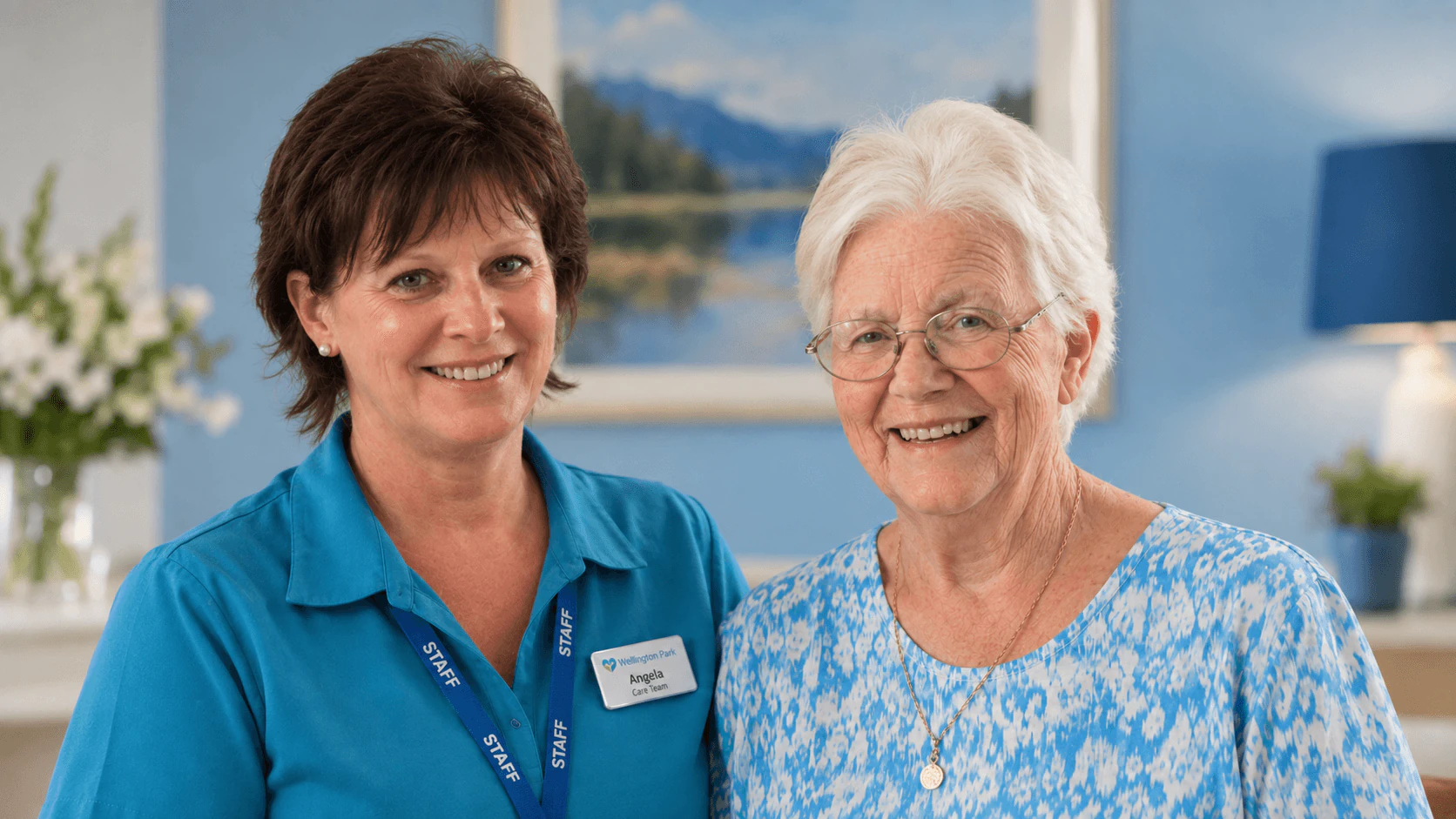
For families considering our facilities — Wellington Park in Wellington Point, Brisbane’s South East, and Merrimac Park on the Gold Coast — that investment means your loved one is supported by personal care assistants who know them as individuals, who notice when something changes, and who are empowered to give the kind of unhurried, personal attention that makes a real difference.
For those considering a career as a personal care assistant, it means joining a team where your work is genuinely valued, where you are supported to grow professionally, and where you will be part of a community of care that has been trusted by Queensland families for over four decades.
Whether you are researching care for a loved one or taking your first steps toward a career in aged care, we would love to speak with you. The work of a personal care assistant matters — and we take that seriously every single day.
Talk to Our Team — Residents, Families, or Careers
Wellington Park — Wellington Point, Brisbane South East | (07) 3822 1876
Merrimac Park — Merrimac, Gold Coast | (07) 5618 1111