

Navigating aged care can be a complex process.
What is Aged Care?
Aged care refers to the support and assistance provided to older individuals as they age. It ranges from help with cooking, cleaning and personal care to 24 hour nursing, and the three main types are care in your own home, care in an aged care residence, and short term respite.

Support for everyday living
This can include assistance with daily living tasks, such as cooking and cleaning, as well as help with personal care. Additionally, aged care can include transportation and community services to help older individuals stay connected with their community.

Independence for as long as possible
For those with healthcare needs, aged care may include 24-hour nursing care. The objective of aged care is to enable older individuals to maintain their independence for as long as possible, and the specific type of support will depend on individual needs and preferences.
What are the different types of Aged Care?
There are three main types of aged care.

The three main types
- Care in your home
- Care in an aged care residence
- Short term respite or after hospital care
Many of these services are government funded.

What is Home Care?
Home care lets you keep living in your own home while receiving the care and support you need. It is often the first step in the aged care journey. Services may include:
- Home help, such as safety aids, home modifications, cleaning and yard care.
- Health support, including personal care, meals, nursing and allied health.
- Getting out to community activities, events and appointments.
- Respite or transition care after a hospital stay.
Funding is available through the Commonwealth Home Support Program or a Home Care Package.

What is Residential Care?
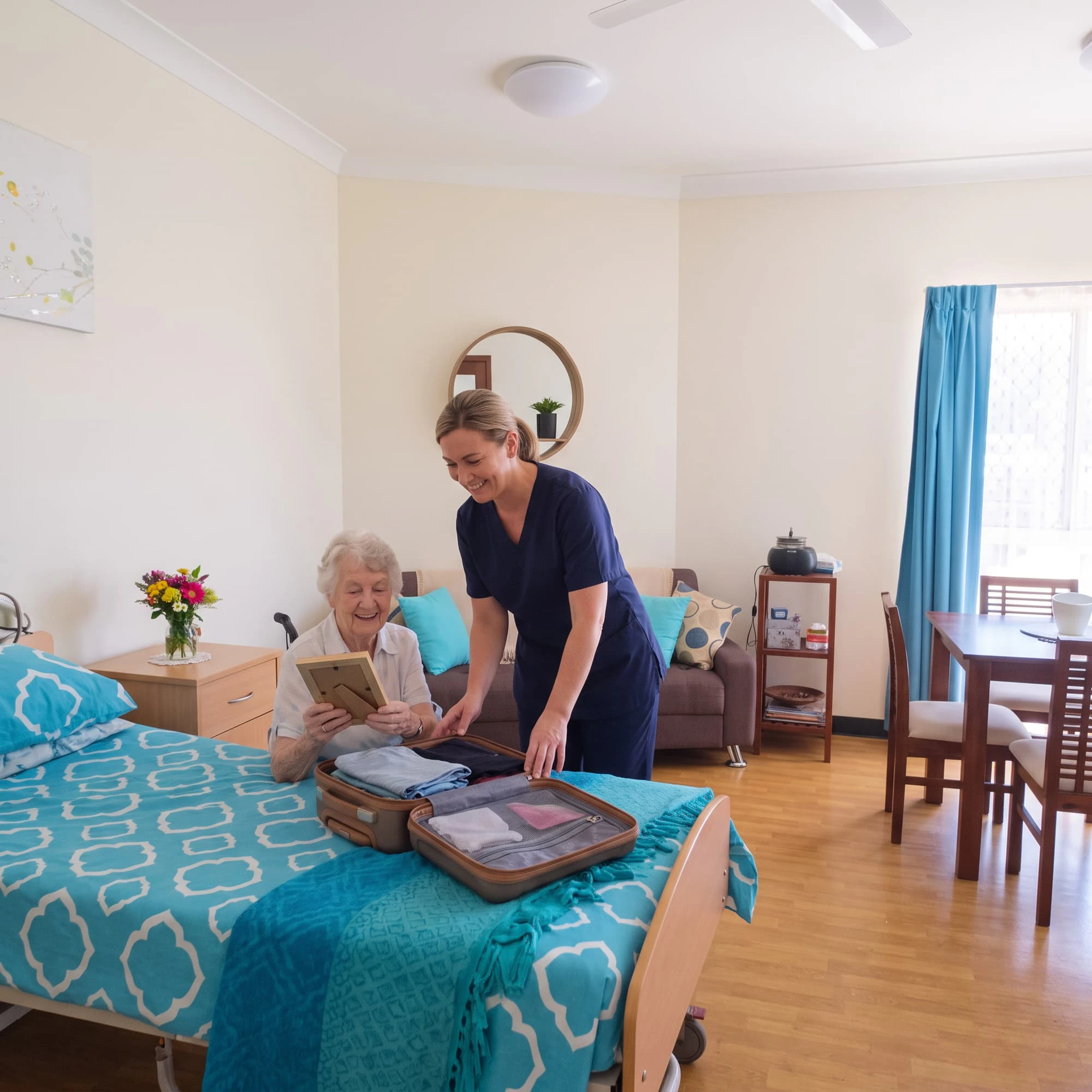
When care needs become too complex to manage at home, a residential aged care home such as Superior Care provides around the clock care and support.
You have your own private room, with meals, laundry and cleaning taken care of, plus personal and clinical care for your health needs.
Social programs, events and outings help residents stay connected with their community.
Government funding is available. Costs vary by home and are based on an assessment of your finances and assets.
What is Respite Care?
Short term care helps you regain independence after a hospital stay, or supports you while your regular carer is unavailable.
It can mean extra support at home or a temporary stay in a residential care home until you return to your usual routine.
Respite care can attract a Commonwealth Government subsidy or be privately funded.
You ask,
we answer.
How do I know what type of Aged Care I need?
Starting the aged care process can be challenging, but there are many resources available to provide support and guidance. Reach out to your local GP for a consultation or have a chat with one of our centre managers.
What government funding is available for Aged Care?
The government funding you receive will depend on whether you’re eligible and what your needs are. To access any aged care, you will need an assessment from My Aged Care. Read more about Aged Care Eligibility.